
The US tourism decline has quietly shifted from a temporary concern into a long-term trend that’s reshaping how people travel, spend, and invest. Over the past few years, I’ve personally noticed fewer international travelers in major cities that once felt constantly busy. Conversations with travel agents and small business owners reveal the same pattern—something fundamental is changing.
So, why is US tourism declining, and what does it really mean beyond fewer visitors? Let’s break it down in a way that’s easy to understand, practical, and backed by real-world insights.

Content
Understanding the US Tourism Decline
Tourism is more than just vacations—it’s a powerful economic engine. When fewer people visit a country, the ripple effects reach hotels, airlines, restaurants, and even local jobs. The US tourism decline is not caused by a single issue; instead, it results from several overlapping factors that have gradually reduced travel demand.
Key Causes of US Tourism Decline
1. Strong Dollar and Rising Costs
One of the biggest drivers behind the causes of US tourism decline is the strength of the US dollar.
When the dollar is strong:
- Travel to the US becomes expensive for international visitors
- Hotels, food, and experiences cost significantly more
- Tourists choose cheaper destinations instead
From my own experience, I’ve seen travelers from Europe and Asia shift toward destinations like Southeast Asia or Eastern Europe, where their money goes much further.
2. Global Competition Is Increasing
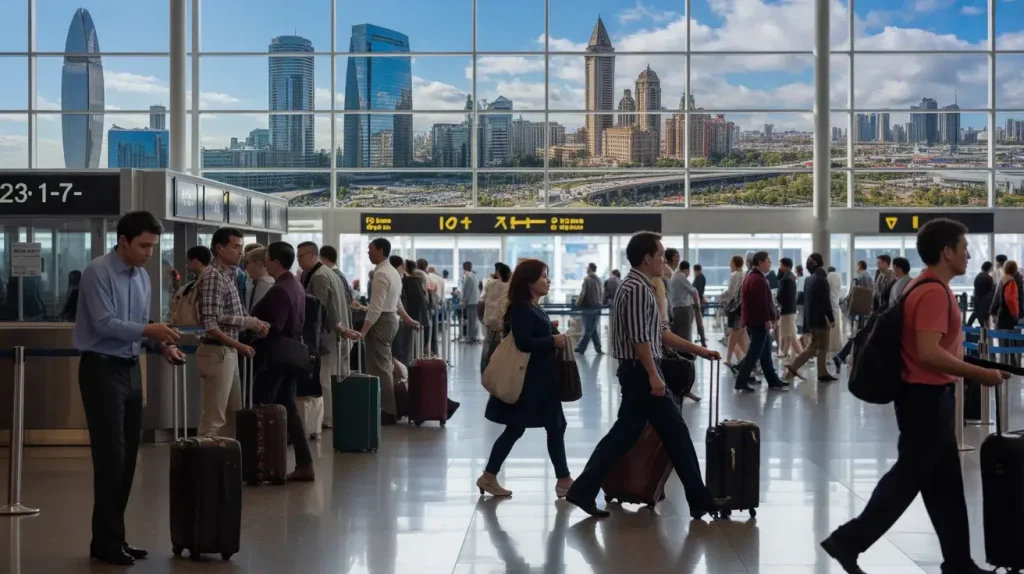
The travel market is more competitive than ever. Countries are investing heavily in tourism infrastructure, digital visas, and marketing campaigns.
As a result:
- Travelers have more choices
- Emerging destinations are becoming more attractive
- The US is no longer the default “dream destination”
This shift is a major reason behind the decline in international tourism USA.
3. Visa Policies and Entry Barriers
Another overlooked factor is visa complexity.
Many travelers face:
- Long processing times
- Strict interview requirements
- Uncertainty in approval
When compared to countries offering visa-free or simplified entry, the US often loses out.
4. Changing Travel Preferences
Modern travelers want:
- Affordable experiences
- Cultural immersion
- Unique destinations
Instead of traditional hotspots like New York or Los Angeles, people are exploring less crowded and more budget-friendly regions worldwide.
US Tourism Statistics: What the Data Shows
Looking at US tourism statistics, the trend becomes clearer:
- International arrivals have not fully recovered in some segments
- Travel spending patterns are shifting
- Average length of stay is decreasing
This isn’t just a temporary dip—it reflects a structural shift in global travel behavior.
How US Tourism Decline Affects the Economy
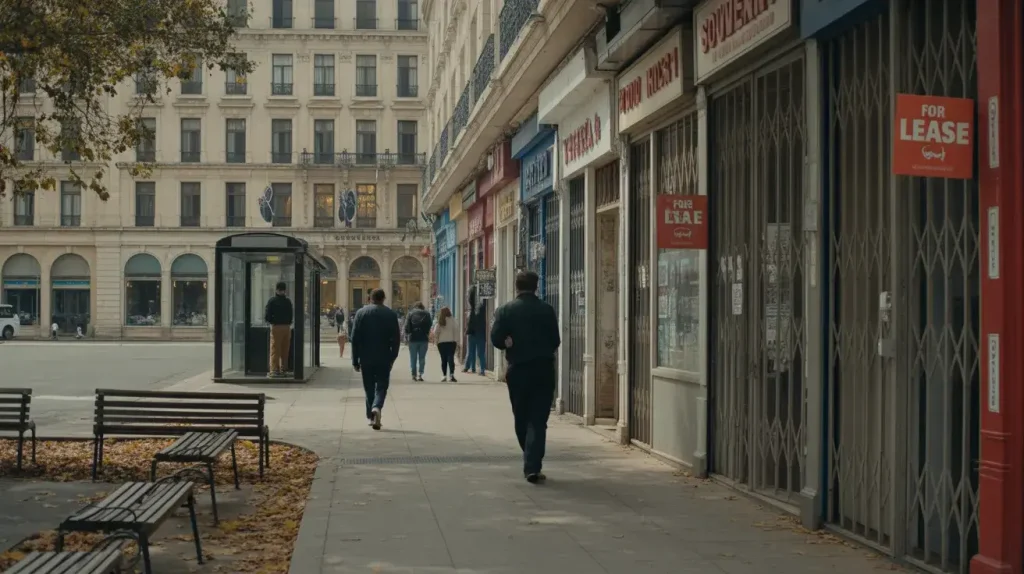
Understanding how tourism affects the economy is crucial because it supports millions of jobs.
Economic Impact Breakdown
1. Revenue Loss
Fewer tourists mean:
- Lower hotel bookings
- Reduced airline demand
- Decline in local business income
2. Job Market Pressure
Tourism-related sectors like hospitality and retail experience:
- Reduced hiring
- Lower wages in some areas
3. Local Business Struggles
Small businesses—especially in tourist-heavy cities—feel the impact first.
I’ve personally spoken with a café owner who mentioned that international customers once made up 60% of their revenue. Today, that number has dropped significantly.
Real-Life Case Study: A Small Business Perspective
Let me share a real-world example that highlights the situation.
Case Study: Boutique Hotel in a Major US City
A boutique hotel that once relied heavily on international tourists noticed a steady decline in bookings.
What changed?
- European travelers reduced visits due to higher costs
- Guests stayed for shorter durations
- More last-minute cancellations occurred
How they adapted:
- Shifted focus to domestic travelers
- Offered discounted packages
- Partnered with local experience providers
Result:
While the hotel survived, its revenue model changed completely. Profit margins became tighter, and growth slowed.
This example clearly shows the real impact of the US tourism decline beyond statistics.
Tourism as an Economic Indicator
Tourism trends often act as an early signal of broader economic shifts.
When tourism declines, it can indicate:
- Reduced global spending power
- Currency imbalances
- Changing consumer confidence
That’s why analysts closely watch tourism data—it reflects both economic health and global sentiment.
Future of US Tourism Industry After Decline
So, what’s next?
The future of US tourism industry after decline isn’t entirely negative. In fact, there are signs of adaptation and potential recovery.
Positive Signals
- Growth in domestic tourism
- Increased digital travel marketing
- New travel experiences targeting niche audiences
Challenges Ahead
- High travel costs
- Strong global competition
- Policy and visa-related barriers
Strategic Shifts in the Travel Industry
To respond to these challenges, the US travel industry is evolving.
Key Adaptations:
- Personalized travel experiences
- Focus on sustainability
- Targeting high-value tourists instead of mass tourism
These changes could reshape how tourism functions in the coming years.
US Travel Trends vs Global Tourism Growth
Interestingly, while the US faces a slowdown, global tourism is growing.
This contrast highlights:
- The importance of affordability
- The role of accessibility
- The need for better travel policies
Countries that adapt quickly are capturing a larger share of global travelers.
What This Means for Travelers
If you’re a traveler, the current drop in visitors can actually work in your favor.
Opportunities:
- Better deals on accommodations
- Less crowded attractions
- Improved service quality
However, prices in major cities may still remain high due to operational costs.
What This Means for Businesses and Investors
From a business perspective, tourism decline creates both risks and opportunities.
Risks:
- Lower revenue growth
- Increased competition
- Market uncertainty
Opportunities:
- Investing in emerging destinations
- Diversifying revenue streams
- Targeting new customer segments
Final Thoughts
The US tourism decline is not just about fewer visitors—it reflects deeper economic, social, and global shifts. From currency strength to changing travel preferences, and even events like Europe Freezes US Travel, multiple factors are shaping this trend.
By understanding the causes of declining tourism and its broader implications, both travelers and businesses can make smarter decisions. In my experience, the travel industry is incredibly resilient. While the current slowdown presents challenges, it also opens the door for innovation, better experiences, and a more balanced global tourism landscape.
FAQ’s:
Is US tourism declining or recovering?
US tourism has faced declines, but some regions show slow recovery thanks to increased domestic travel.
How does inflation affect US tourism decline?
Inflation raises travel costs, making trips expensive and contributing to US tourism decline globally
What industries are most affected by US tourism decline?
Hospitality, airlines, retail, and local tourism businesses are most impacted by US tourism decline.
How does US tourism decline impact small businesses?
US tourism decline reduces customer flow, lowering revenue for small businesses in tourist areas.

Paul Dupre is someone who loves to travel. He loves the experience of new cultures and seeing different ways of life. He also enjoys meeting people from all over the world. He lives in a big city, but he is always looking for an adventure.