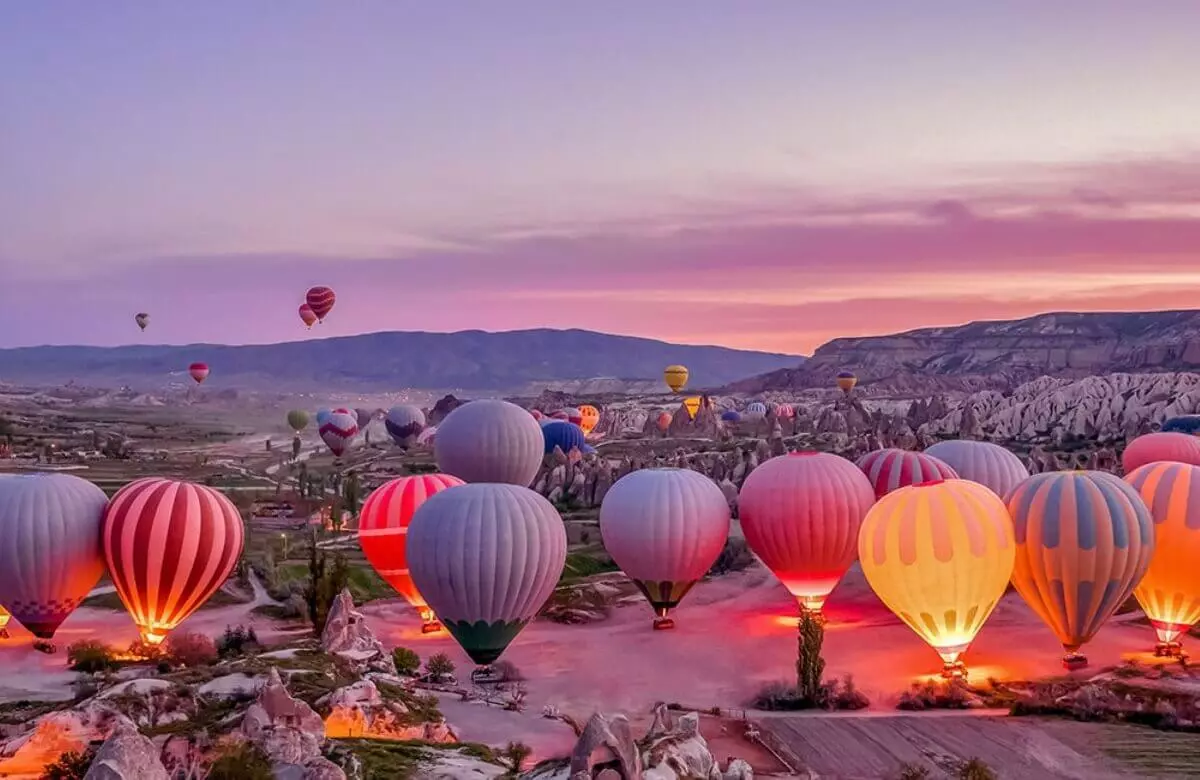
Planning a wedding is exciting on its own, but when it comes to a destination wedding, the adventure multiplies. From choosing a breathtaking location to managing travel logistics, every detail requires careful attention. As someone who has guided many couples through destination weddings, I’ve learned what works, what to avoid, and how to create an unforgettable experience. This article will walk you through how to plan a destination wedding with practical tips, checklists, and even a real-life case study to inspire you.
Content
Why Consider a Destination Wedding: How to Plan a Destination Wedding
A destination wedding isn’t just about stunning photographs; learning how to plan a destination wedding ensures it becomes an experience that blends travel, adventure, and celebration. Couples often choose this option because it allows for:
A unique personal experience: Celebrate in a location that reflects your style and love story.
Smaller, intimate weddings: Destination weddings naturally limit guest lists, making the day more meaningful.
A vacation for everyone: Guests get to enjoy a mini-getaway while celebrating your big day.
Step 1: Choosing the Perfect Destination
Picking the right destination is the foundation of your wedding planning. Learning how to plan a destination wedding starts with asking yourself:
Do you prefer a tropical beach, historic city, or mountain resort?
What season provides the best weather for your ceremony?
How easy is it for your guests to travel there?
Using a destination wedding checklist can help you rank potential locations based on cost, accessibility, and amenities.
Case Study: My clients, Anna and James, wanted a serene beach wedding. After reviewing multiple options, they selected a private villa in the Maldives that offered both privacy and luxury. Their decision ensured a seamless experience for them and their 40 guests.
Step 2: Set a Realistic Budget
Budgeting is critical for any wedding, especially when travel and international vendors are involved. Consider:
Venue costs: Some locations charge extra for permits or exclusivity.
Travel and accommodations: Include flights, hotels, and local transportation.
Vendors: Research local photographers, florists, and caterers to understand their pricing.
A detailed spreadsheet can help you track expenses and avoid budget surprises.
Step 3: Understand Legal Requirements
Legalities differ from country to country. You’ll need to:
Check if residency requirements apply.
Collect necessary documents like passports, birth certificates, or divorce decrees.
Verify if a local officiant or translator is required.
Proper research ensures your marriage is legally recognized without delays or complications.
Step 4: Plan Your Timeline
A step-by-step guide to planning a destination wedding helps you stay organized and stress-free:
12–18 months before: Pick your location, book the venue, and hire a planner if needed.
6–12 months before: Finalize the guest list, send save-the-dates, and coordinate travel logistics.
3–6 months before: Confirm vendors, design invitations, and plan décor.
1–3 months before: Double-check travel arrangements and prepare a detailed packing checklist.
This structured timeline ensures you handle every detail without feeling rushed.
Step 5: Enhance Guest Experience
Remember, your guests are traveling to celebrate with you. Make it enjoyable by:
Providing accommodation and travel guidance.
Organizing welcome events or group activities.
Considering accessibility and dietary requirements.
Personalized welcome baskets with local treats and a schedule of events can make a lasting impression.
Step 6: Prepare for Unexpected Situations
Even carefully planned weddings may encounter challenges such as:
Weather disruptions
Vendor cancellations
Travel delays
Having backup plans like alternative indoor venues or flexible travel options is essential for a stress-free destination wedding.
Step 7: Stay Organized and Enjoy the Journey
Organization is key. Use digital tools to manage:
Budget tracking
Guest lists
Travel arrangements
Vendor coordination
Apps and planning tools help streamline your process, allowing you to focus on enjoying this special experience.
Real-Life Example: A Smooth Destination Wedding
I worked with Lily and Mark, who chose Santorini, Greece, for their wedding. With 50 international guests, planning seemed daunting. By following a structured timeline, coordinating vendors early, and using planning apps, they handled every detail efficiently. Their wedding was flawless, and guests described it as one of the most organized and magical celebrations they had attended.
Underestimating hidden costs like taxes and permits.
Failing to research vendors thoroughly.
Avoiding these pitfalls ensures a smooth and memorable wedding day.
Conclusion
Learning how to plan a destination wedding doesn’t have to be overwhelming. By choosing the right location, creating a realistic budget, managing logistics, and prioritizing guest experience, you can design a celebration that’s both unique and unforgettable.
Remember, careful planning, organization, and flexibility are your best allies. With the right approach, your destination wedding will be a joyful, stress-free, and once-in-a-lifetime experience that you and your guests will cherish forever.
FAQ’s:
What is the 30 5 rule for weddings?
The 30 5 rule helps couples budget by spending 30% on the venue, 5% on extras, and balancing the rest for a smooth wedding plan.
How much money do you need for a destination wedding?
A destination wedding can cost anywhere from $5,000 to $30,000+, depending on location, guest count, and travel expenses.
What do I need to plan for a destination wedding?
Essentials include venue selection, legal documents, travel arrangements, vendor bookings, and a detailed destination wedding checklist.
What is the cheapest destination to get married?
Affordable options include Mexico, Bali, Jamaica, or Portugal, offering beautiful venues without overspending on travel or services.
Paul Dupre is someone who loves to travel. He loves the experience of new cultures and seeing different ways of life. He also enjoys meeting people from all over the world. He lives in a big city, but he is always looking for an adventure.